On the Matter of "Processed" Cheese
I was recently involved in a discussion in which some folks were attempting to distinguish between what they were calling "processed" cheese and other (presumably non-processed) cheese, without defining what they mean by "processed" cheese. As I think that's a less than optimal approach, I'd like to take a moment to sketch out why that is so; perhaps increasing, in the process, your enjoyment of cheese forever.
 How Cheese Is Made (Video) |
So here we go ~ How to Make Cheese:
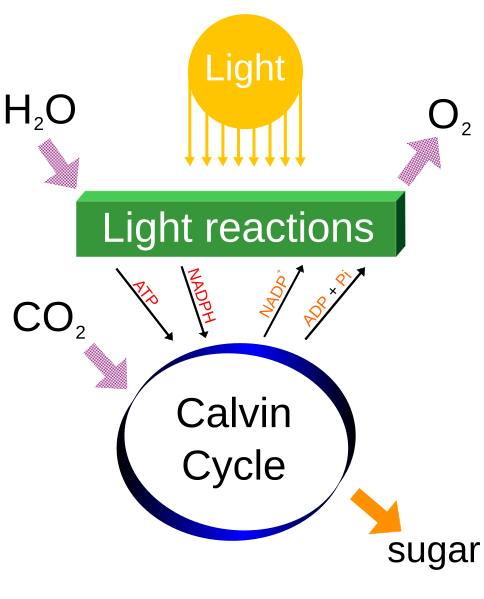
| 1) | Nuclear reactions in the sun result in highly energetic photons radiated in the direction of the earth. From our cheese-making perspective I would suggest that this is more of a precursor phenomenon than it is a process of interest. It's not under the hand of man. It's certainly not cheese yet. | ||||||
| 2) |
The effect of those processes is to produce a local decrease in entropy as the kinetic energy of the photons is in part converted into potential energy now stored in the chemical bonds in the generated sugar and starch molecules. And at this point our (oxygen-consuming, which is convenient) man-made methodological process first begins to enter into what will eventually become our real cheese, because here we humans start breeding, cultivating, fertilizing, irrigating, and harvesting plants in order to produce particular intermediate products in order to feed them into the next phase of the process. | ||||||
| 3) |
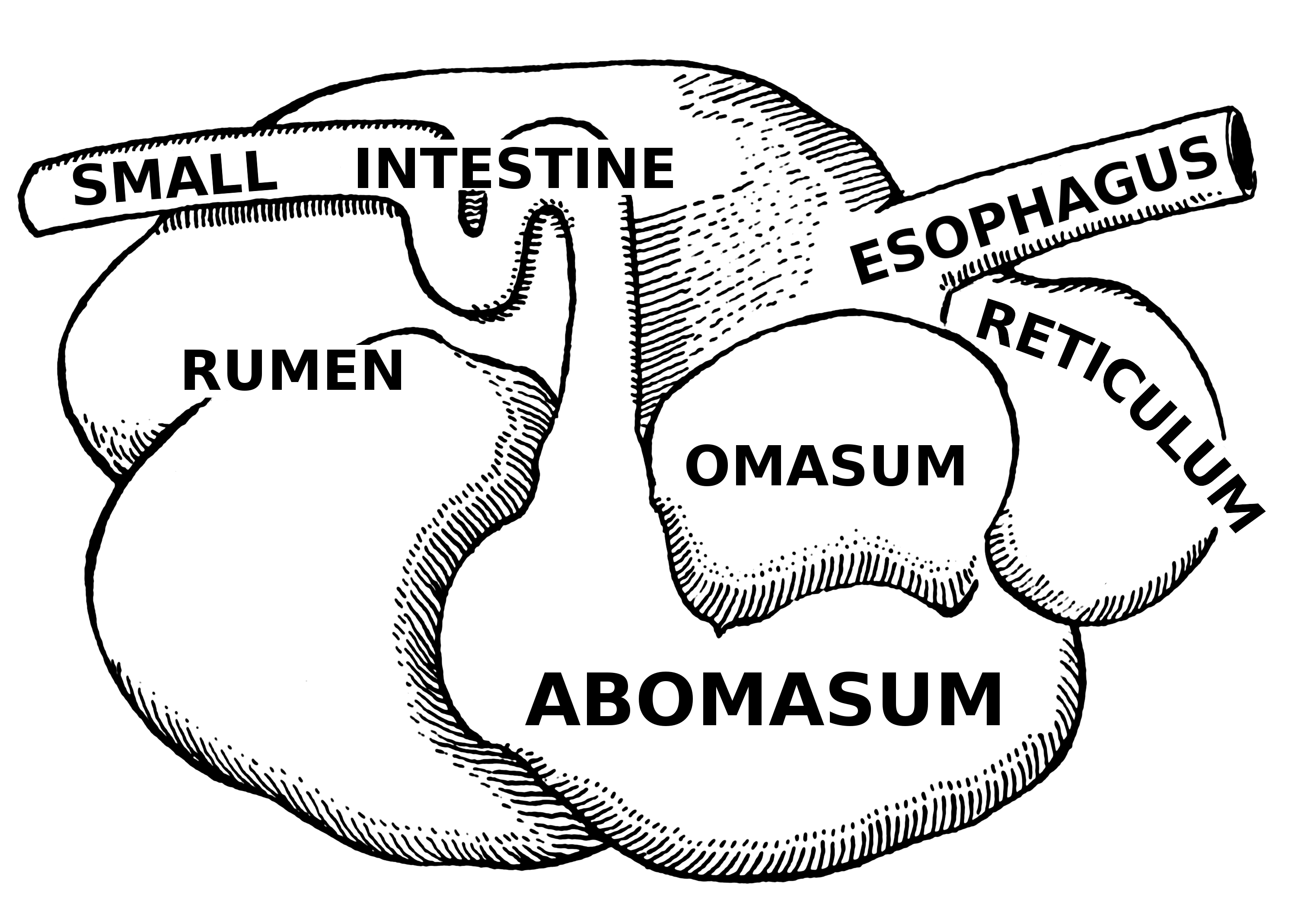
(You can't have soy cheese because soya beans don't have tits.) The effect of the ruminant digestion and metabolism process is to convert some of the potential energy in the sugars and starches from the previous phase into new kinds of sugars like lactose, to be later metabolized as the source of the kinetic energy needed to construct our cheese. This transformation increases the amount of complexity (or information) in our potential-energy bearing molecules, causing a further local decrease in entropy, which will later increase the energy density available to our cheese organisms. During this phase the animals also create other important molecules used later, such as the kinds of proteins & lipids one needs to make cheese. Our ruminant animals, such as cows, sheep, and goats, have been highly domesticated and have been carefully bred for their milk-producing prowess, and they are typically highly valued and well cared for, including things like sheltering and veterinary subprocesses. Already we clearly see that man has become heavily involved in the methodological processing of the ingredients that will become our cheese. But we don't have cheese yet. | ||||||
| 4) | We then harvest the milk from our plant-to-milk conversion processors, and sometimes, but not always, apply Pasteur's process to it to reduce the incidence of unwanted bacterial contamination. | ||||||
| Now we're going to begin the specific process that converts said milk into cheese, as opposed to, say, yogurt, sour-cream or butter. These steps and phases are generally true for almost everything that becomes cheese, yet there are a few exceptions (some noted), and the steps may occasionally vary somewhat in terms of the details of things like temperatures and their sequencing order. | |||||||
| 5) | First we may heat up our milk to about 70 to 80 F, to assist in curdling. Then our milk usually goes through a process of acidification, either by the addition of something like acetic acid (such as vinegar), citric acid (such as lemon juice), or a starter culture consisting of a bacteria from the Lactobacilli, Lactococci, or Streptococci families (which convert lactose, or milk sugar, into lactic acid), thus producing acidification and affecting the final flavour, texture, and character of what will become our cheese. | ||||||
| 6) |
In general: softer, smaller, fresher cheeses are curdled with a greater proportion of acid, and harder, larger, longer-aged varieties with a greater proportion of rennet. The mixture may then be further heated to about 110 to 130 F, especially if we are planning to made a hard cheese product later. The milk and stuff is thoroughly mixed throughout this phase. We are now clearly in the domain of human-processed milk. But we don't have cheese yet: we still have some sort of starting-to congeal and lumpify warm soupy stuff. | ||||||
| 7) | The milk now curdles due to the heat and/or acid and/or enzymes, and it is processed by cutting and/or agitating to help the curds (the coagulated milk solids including casein protein, lipids, lactose, and some of the other stuff we have in the mix) separate from the whey (the liquid and other stuff remaining after the curds & their stuff have been strained off). The whey is then drained off and we have have now completed the primary process of separating the curds from the whey. | ||||||
| At this point I'd say that the curds are, if not cheese, at least proto-cheese. Also note that ricotta "cheese" is made from the whey, but in real cheese we are working with the curds from now on. (This is also the point at which it is conjectured that cheese was originally made: transport milk in mammal stomach vessels containing natural rennet, in the heat, thousands of years ago, and voila: curds and whey.) | |||||||
| 8) | Next in the methodology our cheese curds typically go through a further draining process, to various degrees, in order to produce our desired starting moisture content for the remainder of this process, which will be dependent on our intended final product. During this phase we typically constantly manipulate and agitate the curds to prevent clumps and to produce our desired average curd size. | ||||||
| 9) |
At this point in the process you've pretty much got at least cottage cheese or that delightfully simple cheese-cloth cheese you can easily make at home (such as an Indian Paneer), with a character that depends principally on the acidifier, moisture content, and saltiness decisions you made above. | ||||||
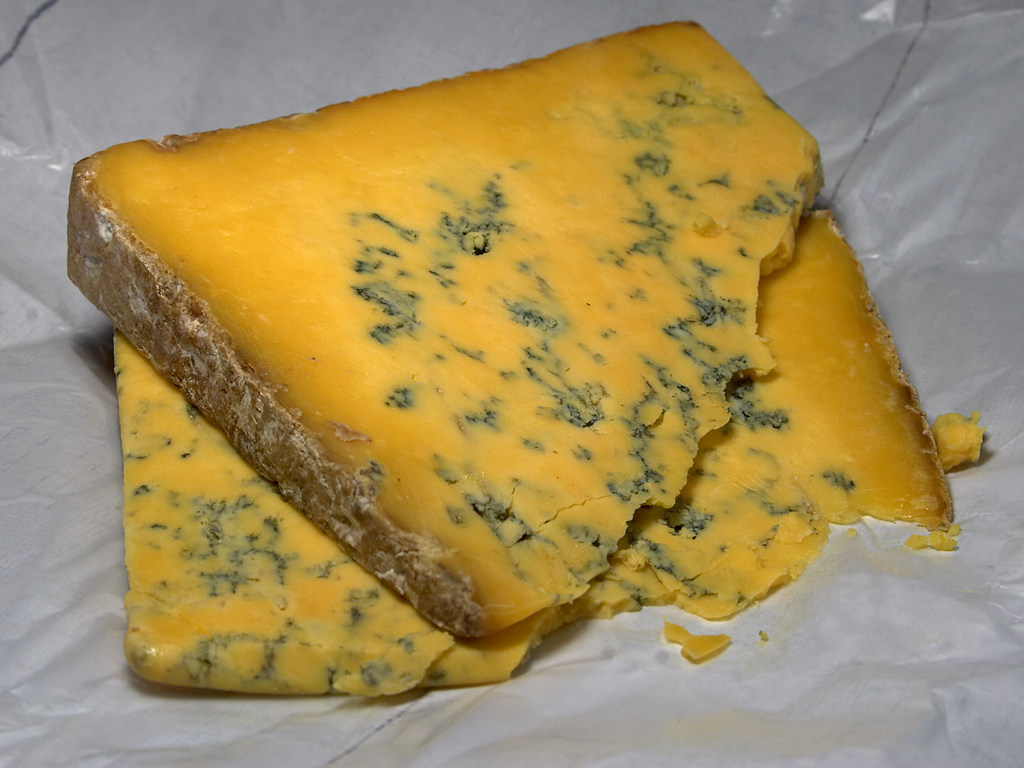
| 10) | Our cheese product is now sometimes coloured, most commonly by adding annatto, which is the fruit of the achiote tree (Bixa Brellana) common in the tropical regions of the Americas. It is, as the kids say, completely natural. Annatto seeds typically contain 4.5 to 5.5 % pigments, which consist of 70 to 80 % bixin. It is the principal source of the orange in most orange cheeses, including Cheddar, Cheshire, Shropshire Blue, and Kraft Cheez Whiz & Singles (which are made out of cheddar). Cheese may at this point or later also be flavoured with the addition of other ingredients, for example, Glenphilly is a white cheddar cheese that has added Scotch whiskey, and Cotswold is a gloucester cheese that has added chives & scallions. Cheeze Whiz has a little ground mustard added to it. | ||||||
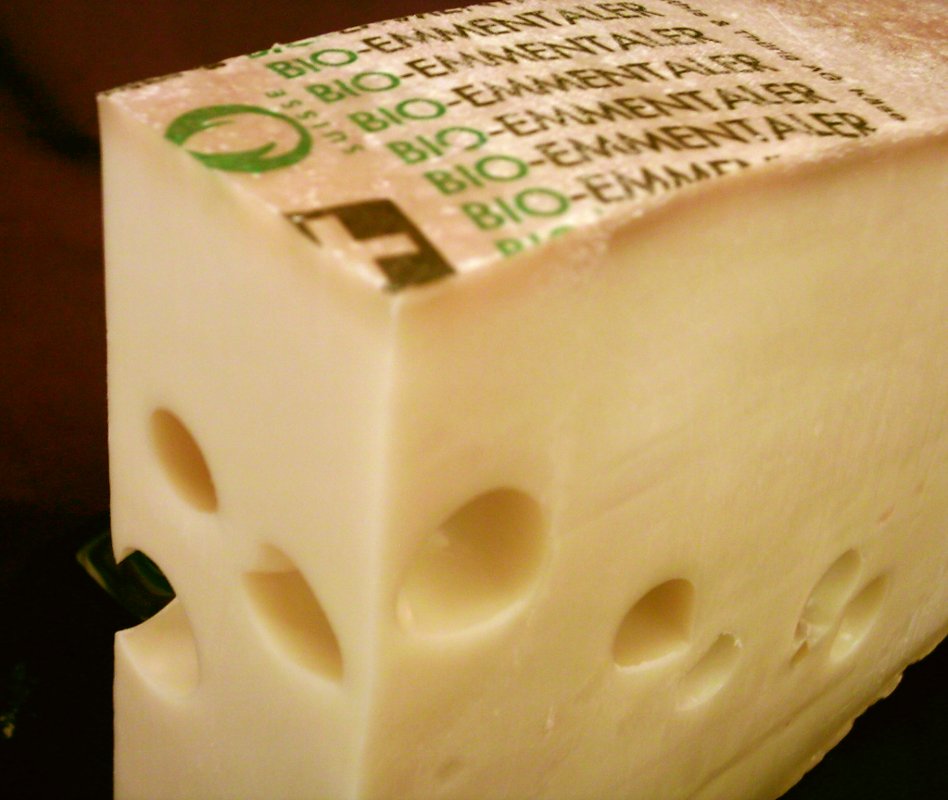
| 11) | Our cheese may now go through a pressing phase or may settle simply due to gravity, further draining and forming truckles (or wheels) of cheese, either pursuant to a future hard cheese, or in lesser form in the process of producing a pressed young cheese like Paneer, or with a little bit of aging, a white farm-house cheese like Caerphilly, Crumbly Lancashire, or Wensleydale. In the case of these latter three cheeses, all favourites of mine, we are essentially done, although some aging based only on the ingredients used so far will still continue as described below.
| ||||||
| 12) |
| ||||||
| Cheeses that are not consumed as young as some of the finished products we have seen above now begin a longer aging, curing, and ripening process. At this point the process becomes quite variegated, with many possible processing phases, not all used in any cheese. Here are some of the principal variations in the processing. | |||||||
| 13) | Truckles may now go through a washing process, to lower surface acidity and make a milder tasking cheese. | ||||||
| 14) | Truckles may also go through a brining or re-brining process, either by spraying on salt or by soaking in salt, for many hours in some cases. | ||||||
| 15) | Truckles may go through a process of being turned on a regular basis to promote uniform drying and/or uniform distribution of ingredients in the cheese, and/or to prevent distortion in the cheese's elevation shape. | ||||||
| 16) |
| ||||||
| Depending on the ingredients in the starting culture and on whether or not other bacteria, mold, or yeast has been added before or at this point, a number of biological processes may begin to create their effects on what will become the final character of our cheese. Here are some of those processes. | |||||||
| 17) |
| ||||||
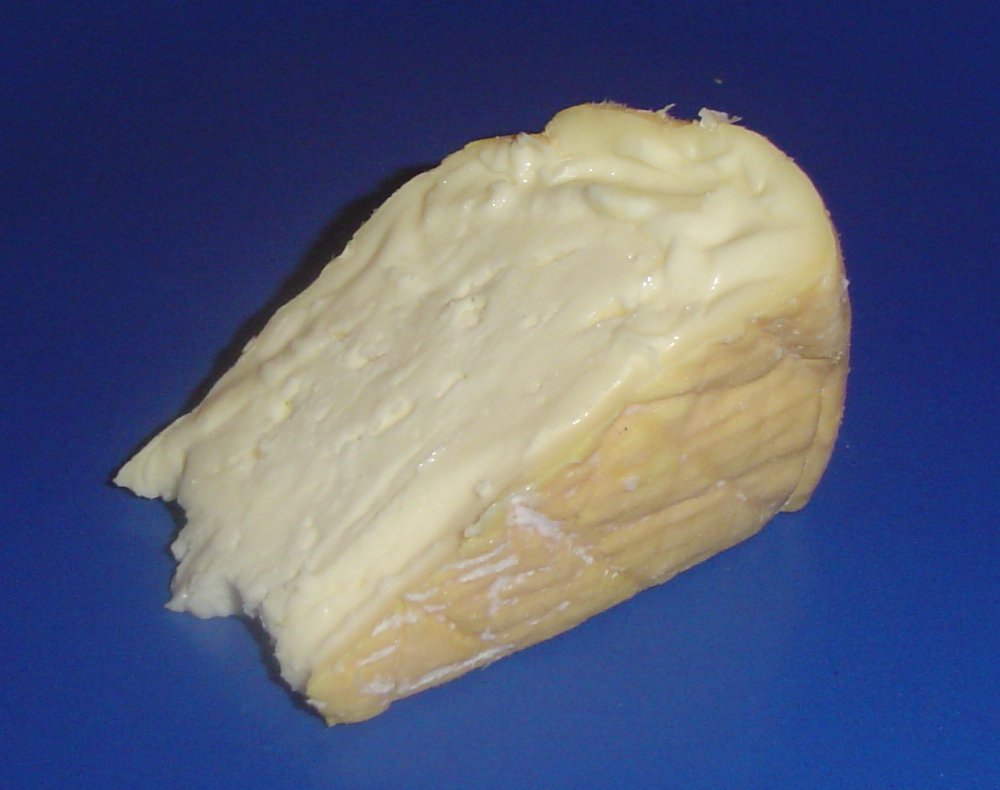
| 18) | The surface of our cheese may be washed with Brevibacterium linens bacteria (which may be combined with P. camberti or P. candida). The effect of this process is to produce a pungent (sometimes known as stinky) nose, which gets stronger as the cheese ages, and to assist with the formation of a yellow or orange rind, of the type found in Appenzeller (a favourite of mine), Munster, and Port-du-Salut.
Note that surface-ripened cheeses are kept in curing rooms or caves in which the temperature and humidity are carefully controlled. The formation of the surface rind helps preserve the cheese and control its moisture content as it ages. | ||||||
| 19) |
| ||||||
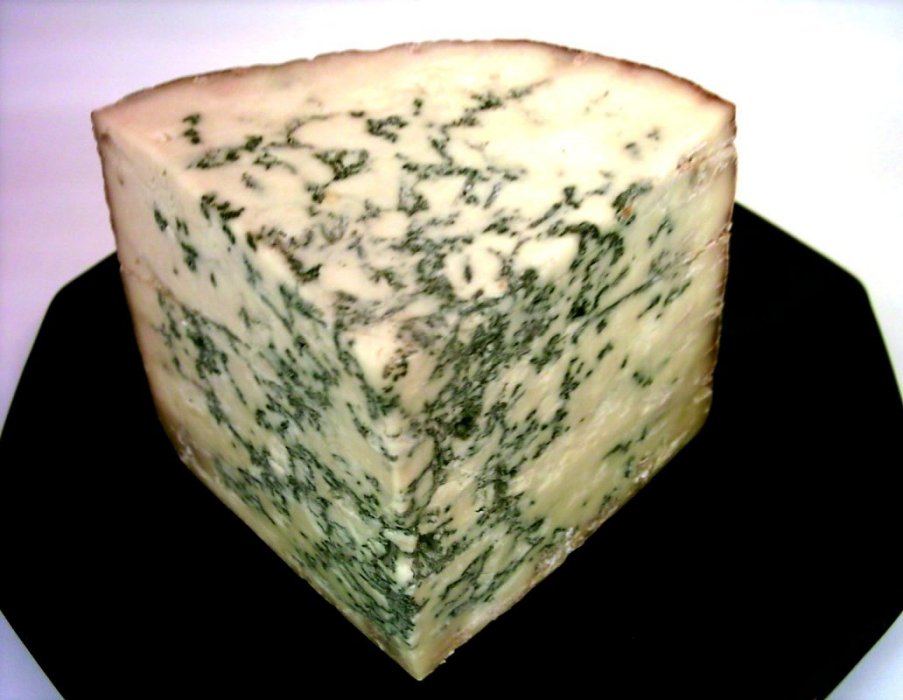
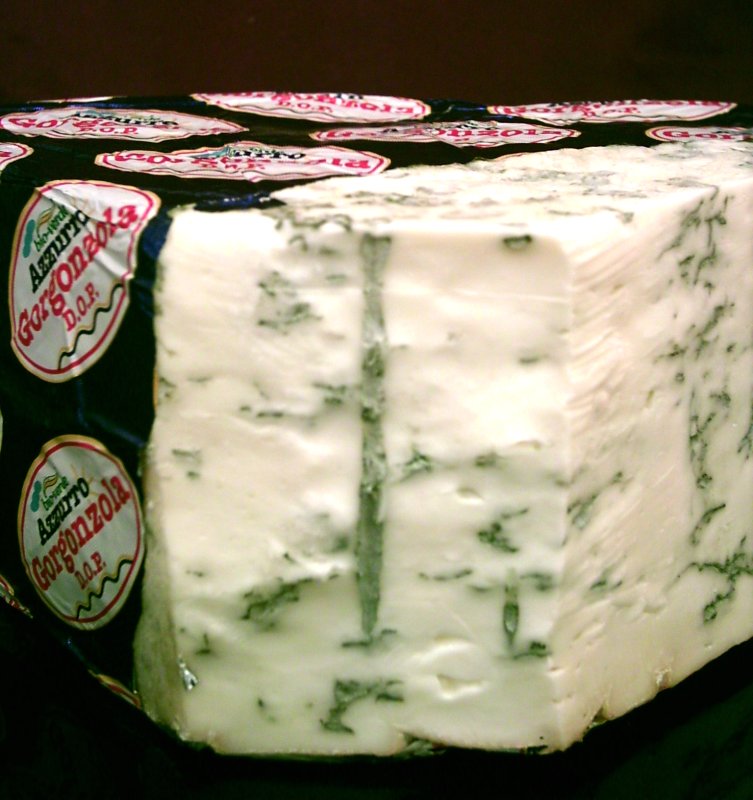
| 20) | Our cheese processing may also included inoculation with cultured or natural Penicillium roqueforti fungus, which produces varieties like Blue Stilton and Shropsire Blue, or with Penicillium glaucum, which produces varieties like Gorgonzola. In some cases, such as with Stilton, a process that involves inserting long steel needles into the truckles at regular intervals during the aging is used to admit air into the center of the truckles in order to promote the development of the veins.
| ||||||
| | |||||||
| 21) | First our cheese continues its glycolyis process, which involves the metabolism of the lactose milk sugar, hydrolysizing it into lactic acid. Our cheese, which is now a living organism, is digesting the lactose: 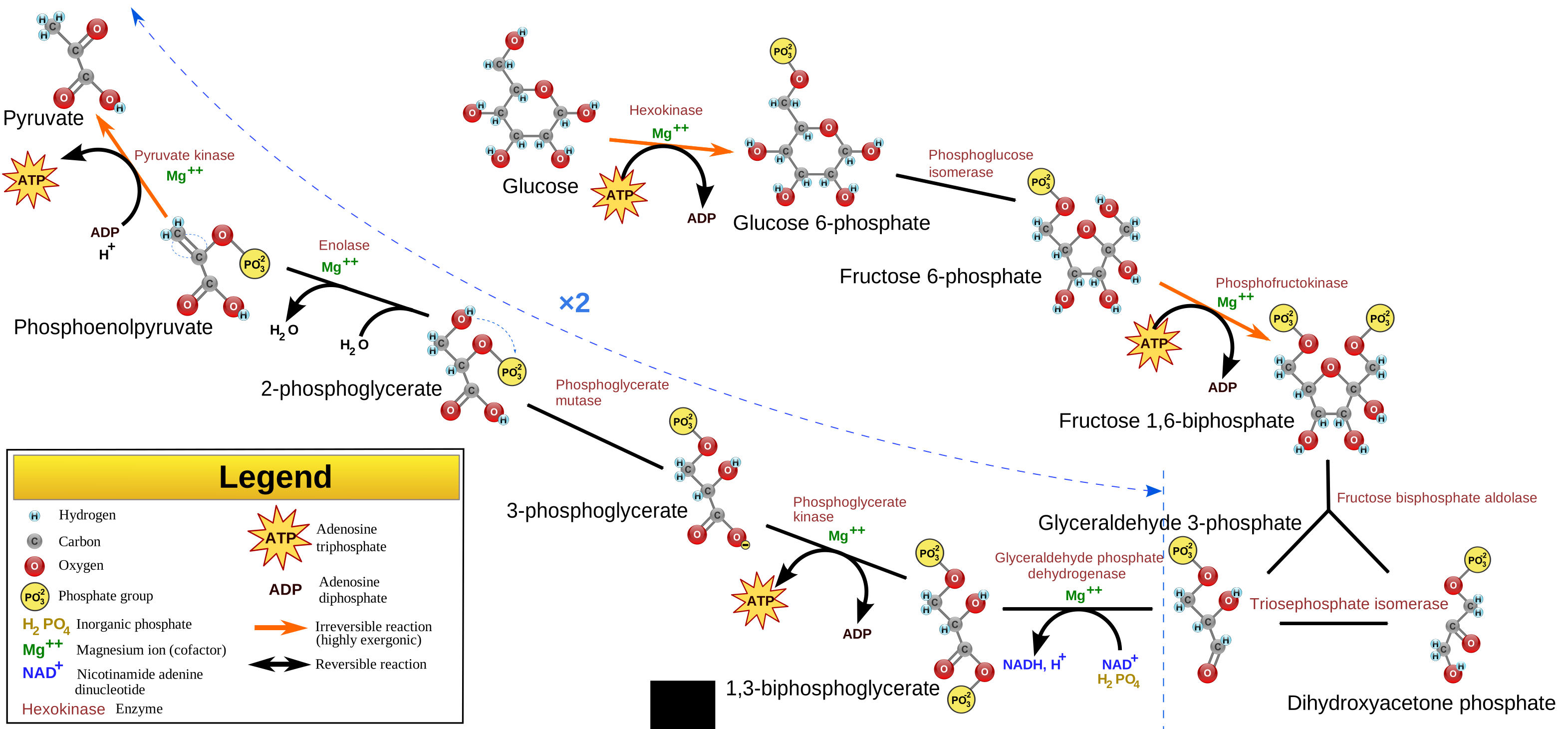 Here we are returning to the energy stored in steps (2) and (3) above, using it to feed our cheese organism and now via a local increase in entropy produce the flavour, texture, and character we desire in our cheese. Sufficiently aged cheeses can have close to zero lactose remaining, which may make them more suitable for those who may be lactose intolerant. | ||||||
| 22) | Our cheese at some point also begins a proteolysis process, which involves the digestion of the milk casein proteins by enzymes called proteases which catabolize the protein peptide bonds by hydrolysis, producing amino acids. This process continues to change the flavour and texture of our cheese. | ||||||
| 23) | Eventually our cheese undergoes a lipolysis process, in which the lipids or milk fats are broken down, producing free fatty acids, followed finally by degradation into acetyl units by beta oxidation. This is the process that produces some of the oldest, driest, hardest, and strongest varieties in their classes, such as one of my favourites, Montgomery's Cheddar, and Parmigiano-Reggiano.
| ||||||
| That's pretty much classic cheese, and it's clearly highly processed. Ok, let's look beyond that, and see how cheese may be further processed, and whether or not the distinction is of any value other than in terms of personal æsthetic sense. | |||||||
| 24) |
| ||||||
| 25) |
Vitruvius' Grilled Cheese Sandwich Schematic Drawing  | ||||||
| 26) | What about if you take some cheese and further process it by smoke-curing it, which was a Danish invention. I have a fondness for smoked Gruyère. It's processed. Is that ok? | ||||||
| 27) | Now, what about if we reverse-engineer cheese-related flavour molecules, make them out of reagents in the lab, and flavour something not made from milk solids with them? Is that still cheese? Here I say No. This is where I draw the line. To me that's not cheese. That's artificially cheese-flavoured stuff. And since it's prima facie not cheese at all, it can't be "processed" cheese either. Adjectives don't work that way. | ||||||





 Damafro Cheeses (Video) |
Therefore, I claim that:
| 1. Real Cheese is Coagulated Milk Proteins & Lipids 2. There is No Such Thing as Non-Processed Cheese |
When people use the phrase "processed" to belittle any kind of real cheese made from milk solids, they're just using that as a shorthand for saying they don't like it, but with moral indignation (which, as H.G. Wells noted, is "Jealousy with a Halo"). Moreover, when people say they won't eat a cheese because it says "processed" on the label, they are simply letting the state brand their sensibilities without they themselves sampling the product and deciding for themselves whether or not they like it. I refuse to kowtow so far to the government on Matters of Cheese.
 Chemical Rubber Company Press |
 Tillamook Cheese Factory Tour (Video) |
Years ago I wrote that cheese is Exquisitely Preserved Milk. I stand by that today. Your particular personal preferences for you (and mine for me) for the processes by which your milk gets converted into your cheese should be between you & your cheese mongers, and not up to the Minister of Cheese Labeling. Disparaging others' cheese preferences is simply unbecoming.
| De gustibus non disputandum est! |


<< Home